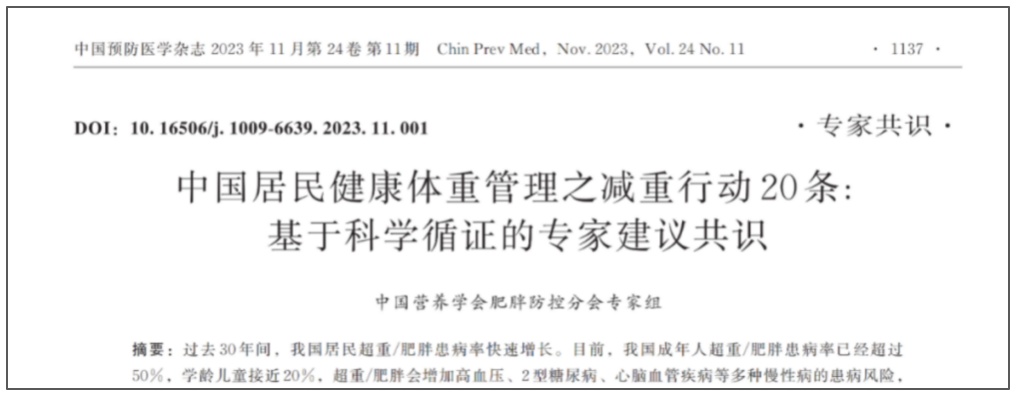
The Consensus points out that lifestyle intervention is the first choice and basic measure for scientific weight loss. There are two suggestions:
1. Overweight/obesity refers to the excessive total fat content of the body caused by calorie intake more than consumption, or the increase and abnormal distribution of local fat content. Losing weight requires controlling diet and increasing physical activity.
2. Unhealthy lifestyle is the main risk factor of overweight/obesity, and lifestyle management can help to lose weight effectively.
According to the Consensus, "full lifestyle management" refers to multi-dimensional lifestyle intervention for overweight/obese people at the same time, which mainly includes three elements: diet, exercise and behavior intervention. Lifestyle management is superior to simple diet intervention or exercise intervention, and can bring multiple health effects.
If you are getting fat slowly recently, besides controlling your diet and strengthening your exercise, you should also consider whether your work schedule and sleep time need to be adjusted. Maybe they are already quietly affecting your weight and health.
4. Try "Oriental Healthy Diet" when eating.
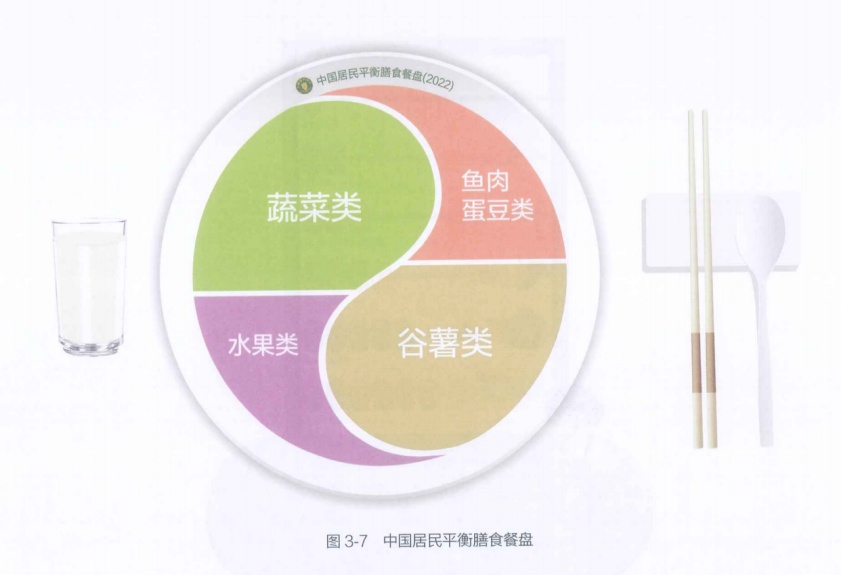
According to the Consensus, on the basis of controlling total calories, adhering to a balanced dietary pattern based on cereals is conducive to weight loss. The daily diet should include cereals, vegetables, fruits, poultry, fish, eggs, milk and legumes to reduce the intake of oil, salt and sugar.
"Mediterranean diet" and "Oriental healthy diet" are similar. For the average person’s diet change, it can be simply summarized as follows:
(1) increase coarse grains and reduce refined rice flour;
(2) Recommend vegetable oil and cook at low temperature;
(3) Increase white meat and reduce red meat, and recommend bean products;
(4) The more vegetables, the better, to ensure the right amount of fruit;
(5) Recommend proper amount of nuts and milk;
(6) Steaming, boiling and rinsing are strongly recommended.
5. It is not recommended to use intermittent fasting for a long time.
According to the Consensus, controlling total calories, changing the ratio of three energy-supplying nutrients (carbohydrate, protein and fat) and intermittent fasting can help to lose weight in the short term, but the long-term effect is lack of evidence. Long-term use is not recommended.
6. If you want to use ketogenic diet, you need a doctor’s guidance.
Now many young people will take a "ketogenic diet" to lose weight. However, according to the Consensus, research shows that the short-term application of ketogenic diet has a significant effect on weight loss, but the safety and benefits of long-term application are not clear, so it must be carried out under the scientific guidance of professionals.
For example, in life, some people try "ketogenic diet" by themselves, and finally ketoacidosis enters the hospital.

7. Use "dietary supplements" to lose weight with caution
Some people will use natural dietary supplements to lose weight, including carnitine, white kidney bean extract, caffeine, capsaicin, chitosan, guar gum and so on.
However, the Consensus pointed out that there is no clear scientific evidence to prove that the weight loss effect of natural dietary supplements needs to be used with caution. That is to say, the research is not sufficient, and some studies have also found that some dietary supplements can cause intestinal adverse reactions, liver and kidney function damage and so on.
The Consensus points out that exercise is the core of scientific weight loss. Suggestion:
1. Aerobic, resistance and high-intensity intermittent exercise can effectively reduce weight.
According to the Consensus, long-term regular aerobic exercise such as brisk walking, long-distance running, square dancing and long-distance cycling is conducive to reducing fat; Pull-ups, push-ups, squats, dumbbells, kettlebells and other resistance exercises can prevent the decrease of muscle mass; High-intensity intermittent exercise is helpful to improve the efficiency of fat reduction.
2. Exercise for more than 250 minutes per week has obvious weight loss effect.
The Consensus points out that maintaining moderate-intensity exercise for more than 250 minutes/week can help to lose weight, and the effect of higher-intensity exercise is more obvious. Among them, moderate weight loss can be achieved by maintaining moderate intensity exercise (150 ~ 250 minutes/week); Over 250 minutes/week, it can achieve obvious weight loss and maintain the effect.
What is moderate and high intensity exercise?
Calculation method of exercise intensity: bull’s-eye rate = quiet heart rate+(maximum heart rate-quiet heart rate) × exercise intensity percentage. Among them, the maximum heart rate =220- age. It is suggested that moderate intensity exercise should reach 40% ~ 60%, and high intensity exercise should reach 60% ~ 80%.
If physical conditions permit, you can also do high-intensity exercise appropriately. People with basic diseases should be professionally evaluated before they can carry out high-intensity exercise. If you feel uncomfortable during exercise, you should stop immediately.
According to the Consensus, good sleep and a healthy and positive attitude are all helpful to lose weight.
1. It is best not to sleep less than 7 hours if you want to lose weight.
According to the Consensus, sleeping less than 6 hours a day increases the risk of obesity, and sleeping more than 7 hours is beneficial to weight loss, especially to prevent abdominal obesity.
However, it is not recommended to sleep for too long, such as more than 9 hours.
2. Keeping a healthy and positive attitude helps to lose weight.
According to the Consensus, long-term and sustained psychological stress can increase the risk of obesity, and maintaining good psychology and emotions can help maintain a healthy weight.
Long-term and persistent psychological stress will interfere with people’s cognitive functions, such as executive function and self-regulation ability. Under chronic stress, we tend to overeat or eat high-fat and high-sugar foods, and at the same time reduce activity and sleep time to accumulate fat in the body.
1. Looking in the mirror often helps to restore healthy weight.
The Consensus points out that looking in the mirror and mindfulness are conducive to restoring a healthy weight. For example, studies have shown that looking in the mirror often can change cognition and affect people’s dietary behavior;
Mindfulness can make people better aware of the process of eating, help to improve the imbalance of eating behavior, and strengthen self-motivation and self-control. This is the psychological method used to lose weight.
2. Acupuncture therapy may help to lose weight
According to the Consensus, acupuncture plus lifestyle management is helpful to lose weight. Ear acupuncture, acupuncture, acupoint catgut embedding and other methods may help overweight and obese people lose weight. Acupuncture can reduce weight by changing central neurotransmitters, regulating hunger and satiety, increasing the levels of enkephalin, β -endorphin and serotonin in plasma and brain tissue, and reducing appetite.
The Consensus pointed out that drugs and surgical treatment are also important means of clinical weight loss.
1. Overweight/obesity patients with "three highs" can’t lose weight effectively after 3 ~ 6 months of lifestyle intervention, so drug treatment can be considered.
2. Surgery is effective in treating obesity, and it is suitable for those who are severely obese and lifestyle intervention is ineffective.
The Consensus reminds us to pay attention to the problem of childhood obesity. Suggestion:
1. The goal of weight intervention for overweight/obese children is to maintain weight gain or slow down the growth rate, and finally reach a healthy weight, not to reduce the absolute weight. Methods Lifestyle intervention is the first step, and the participation of parents and families is very important.
2. Overweight/obese children should pay attention to the adjustment of diet structure, reduce eating out, and control eating speed, snacks and sugary drinks.
3. Overweight/obese children should have at least 150 minutes of moderate and high-intensity aerobic exercise and resistance training every week to reduce sedentary, and use electronic equipment for no more than 2 hours every day.
Information: Health Times
Editor: Cheng Qian
Editor: Wang Bo
* Please indicate that it is from "Shanghai Changning".